
Te Aro Pā | Introduction
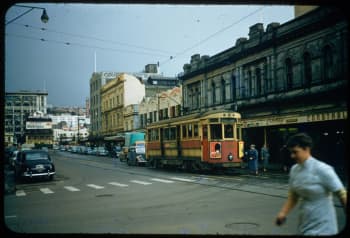
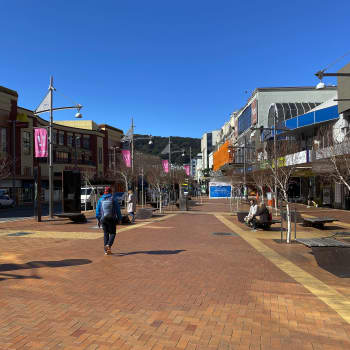
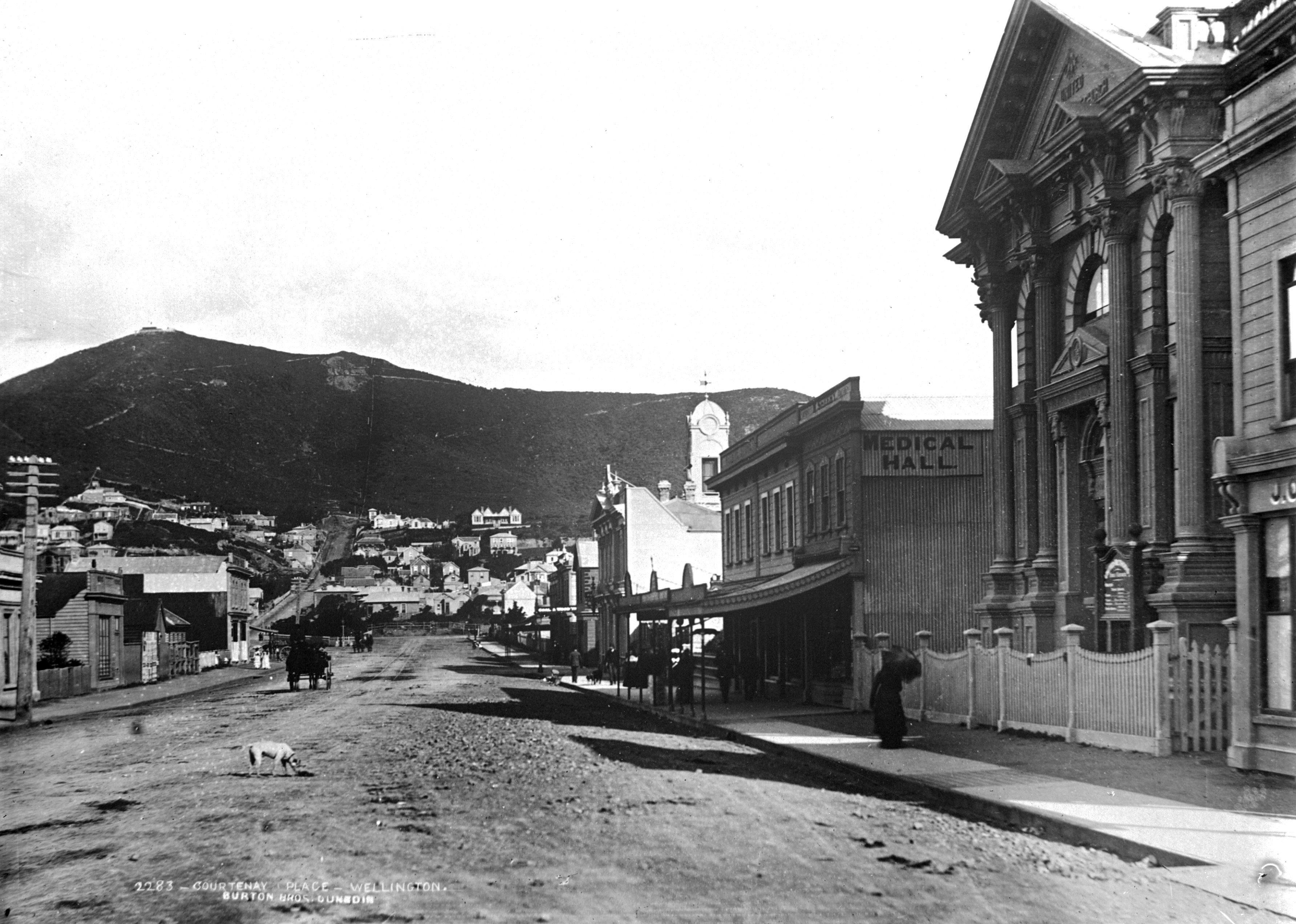
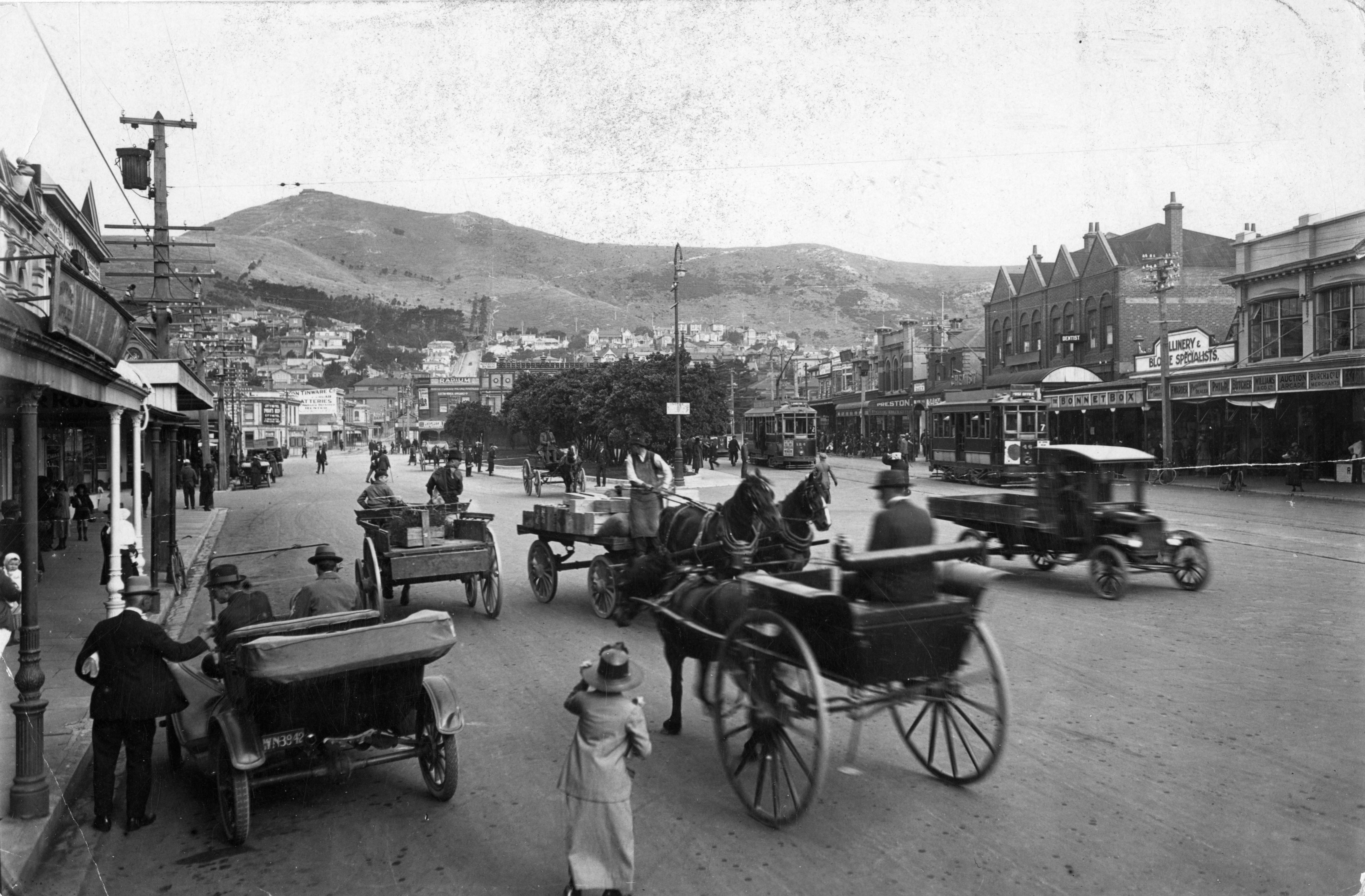
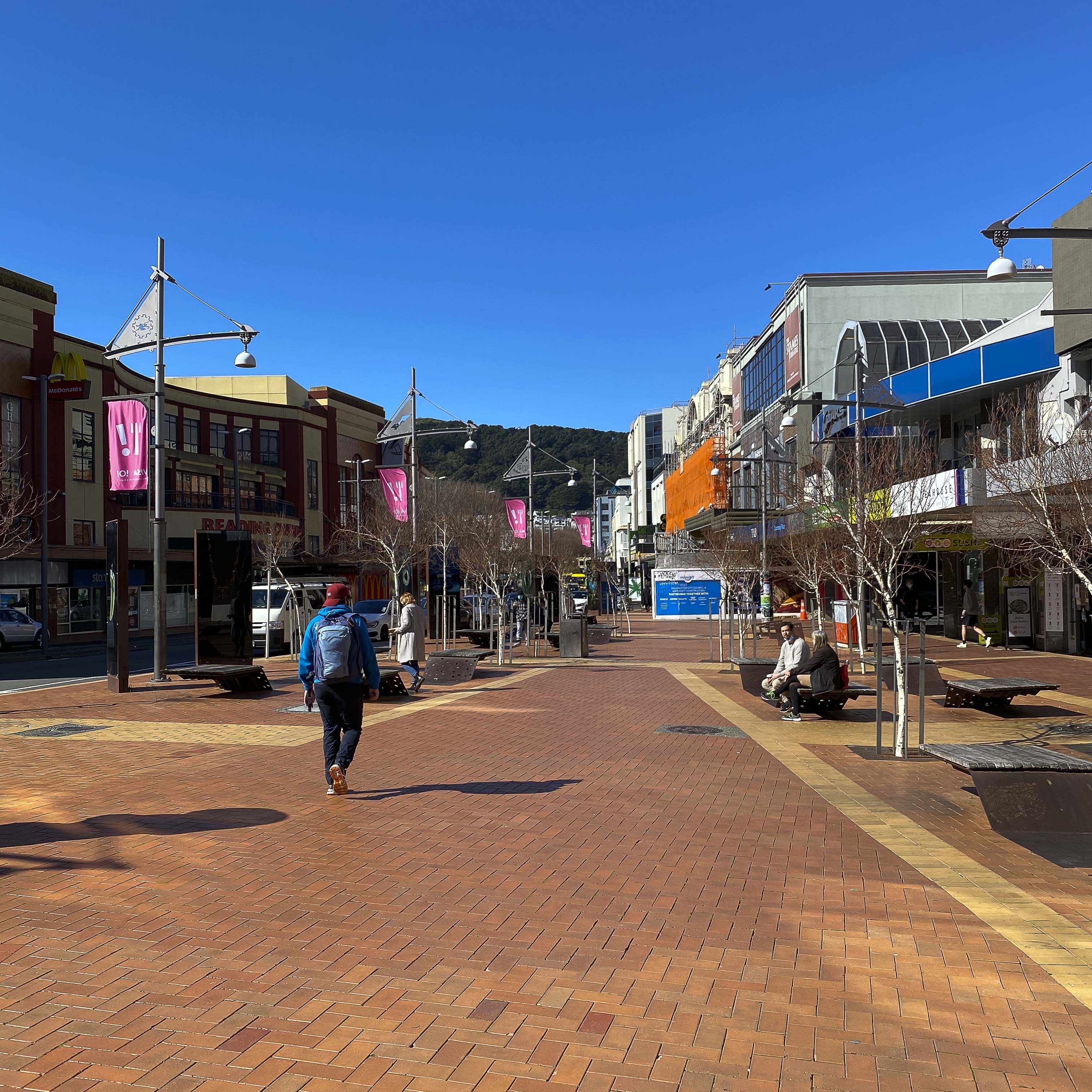
What would you see if you stood at the corner of Taranaki Street and Courtenay Place in Wellington—180 years ago?
Text: Niki Partsch | Design: Paul Veart
SCROLL TO BEGIN


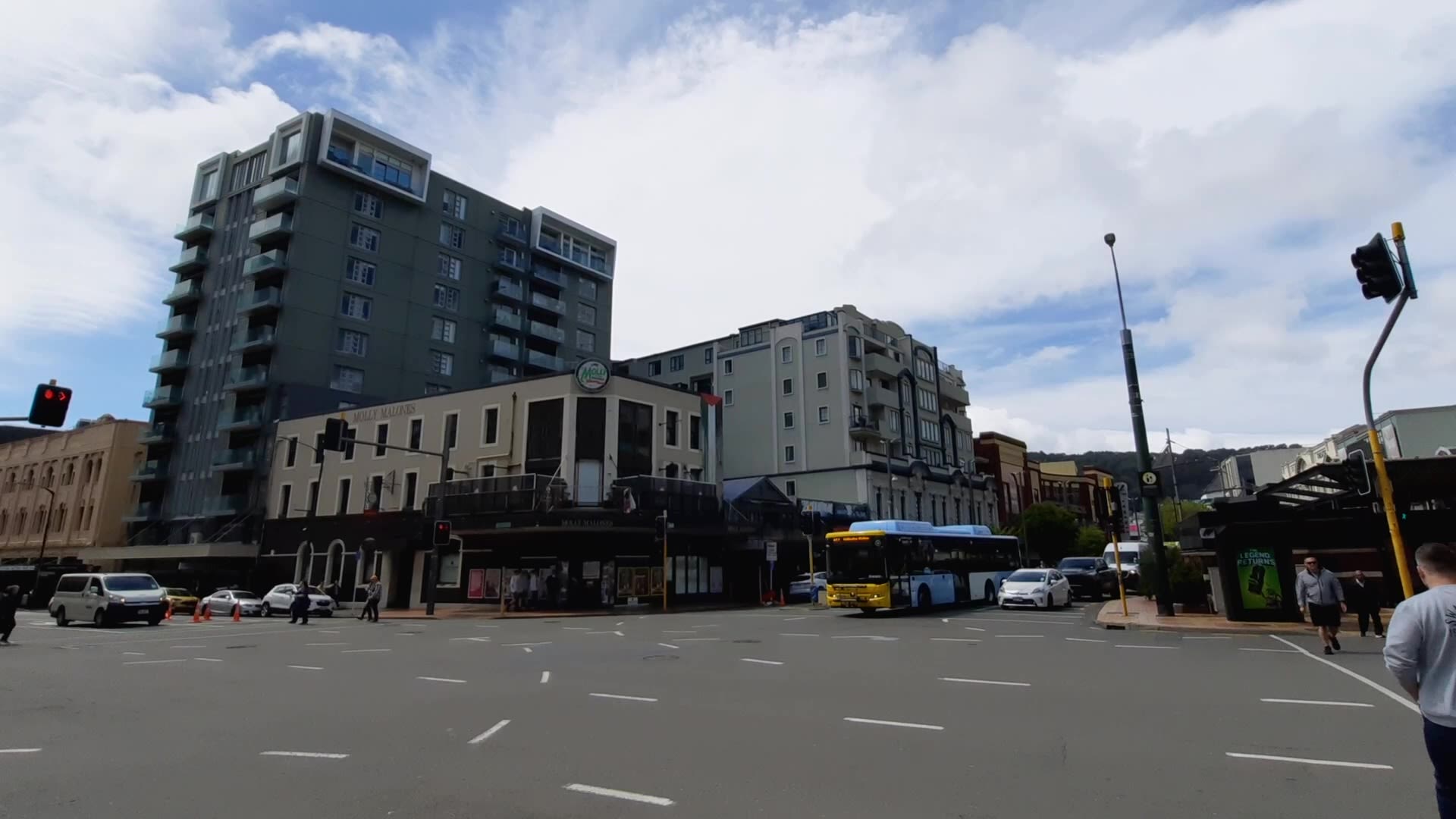

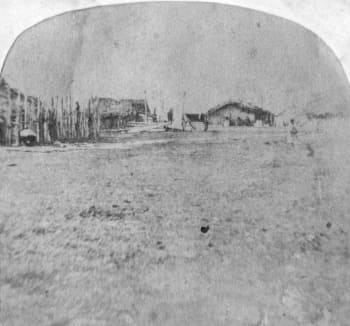
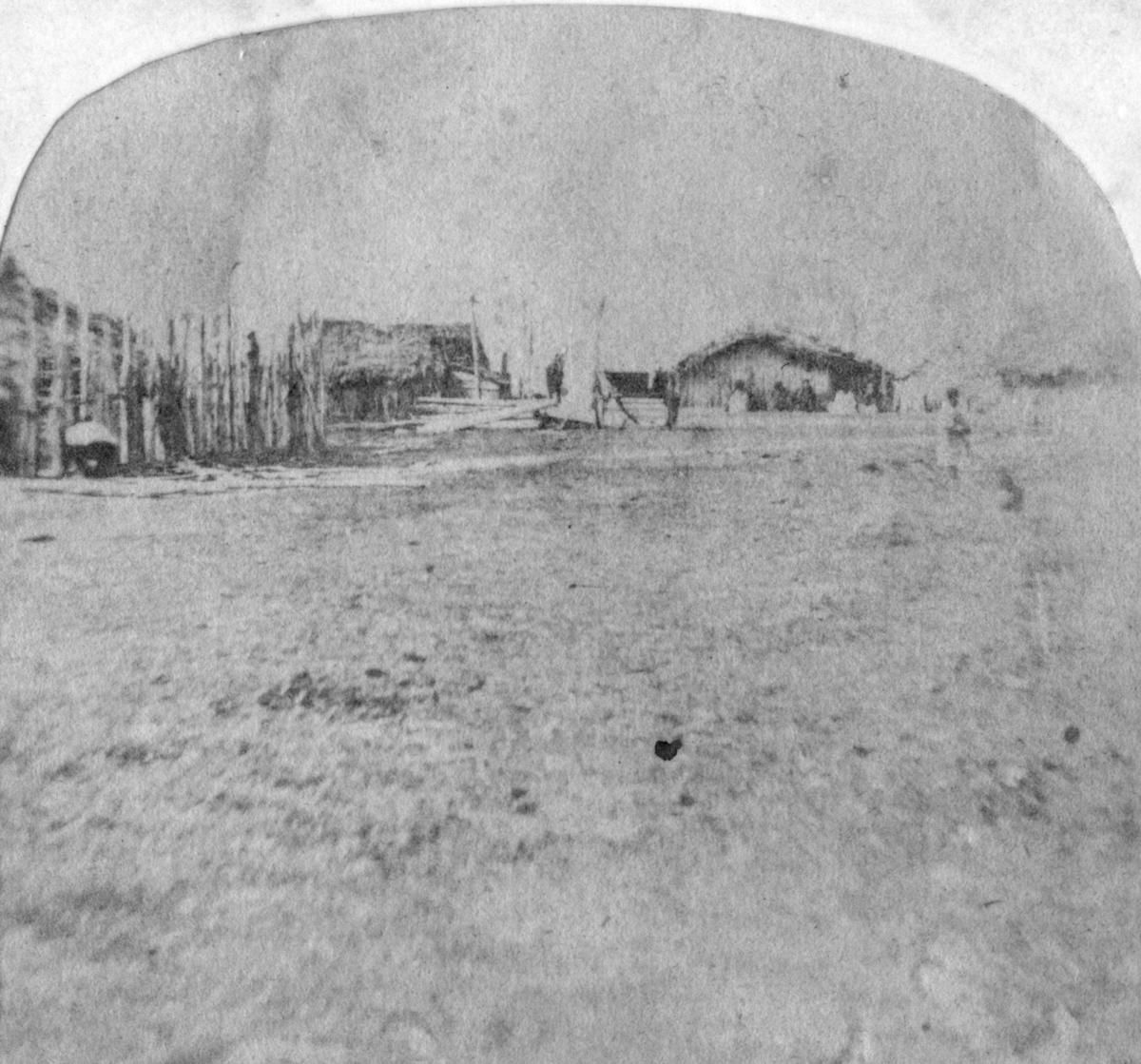
In the 1840s, Te Aro Pā (a fortified village) was one of the largest pā in the Wellington region. But less than 40 years later, it was empty, and European settlers had built over it.
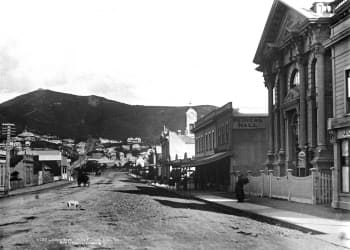
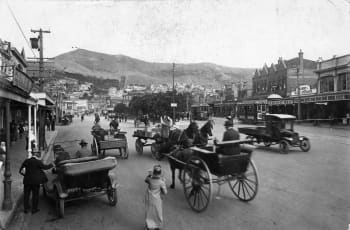
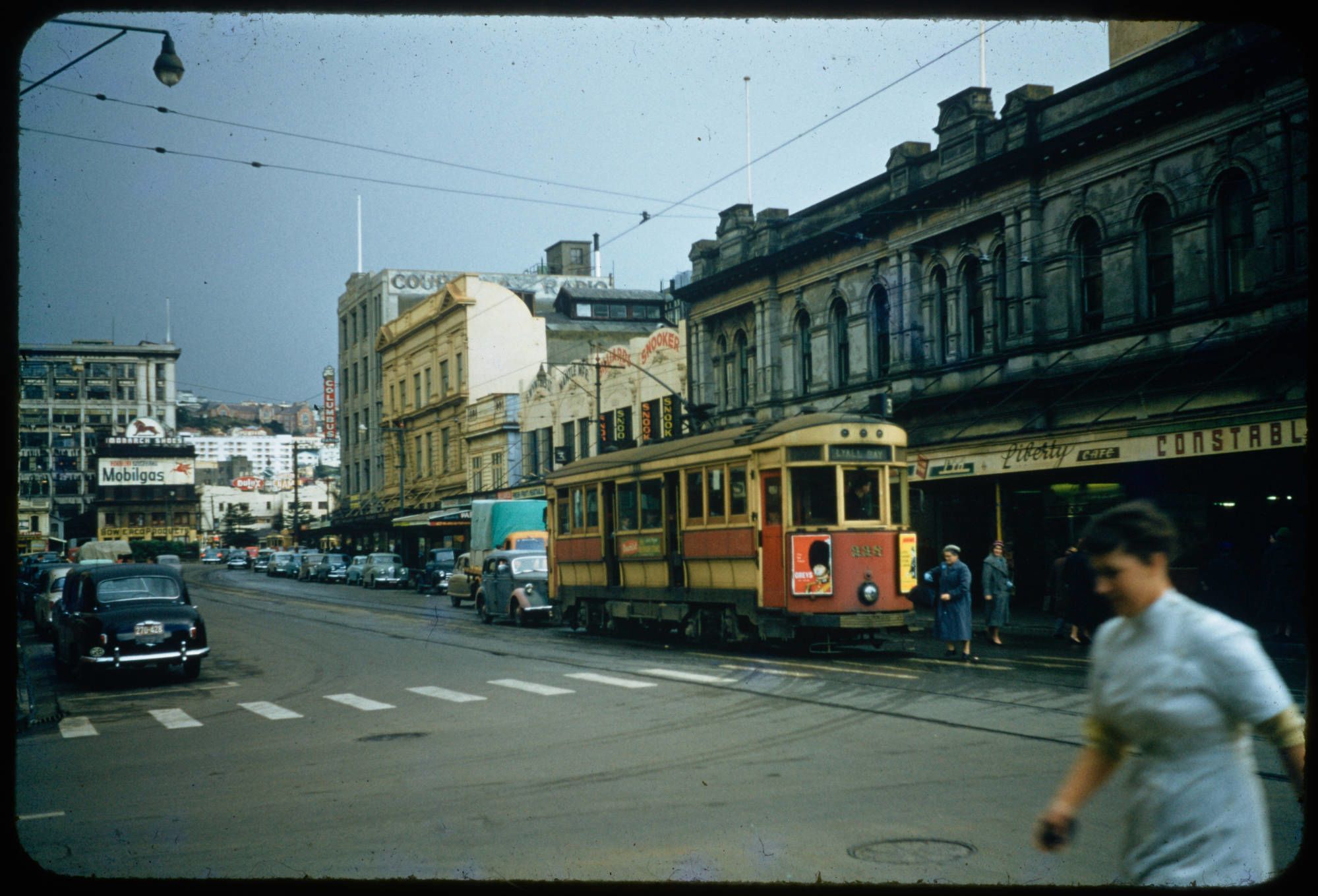
The people of Wellington later constructed over rivers, streams, wetlands and areas where Māori had once cultivated. Over time, many of those old buildings were also demolished and replaced with newer ones.
This cycle of building, tearing down, and rebuilding continues in Wellington City even today.
In 2005, a building that had been new in 1908 was torn down to make space for an apartment building on lower Taranaki Street.
While workers were clearing the debris from the site, they found the remnants of several much earlier buildings constructed with ponga, a native fern tree, underneath the rubble.
Because of the incredible collaboration and dedication of a small group of people, a tiny part of Te Aro Pā is preserved exactly where it was found.
It could have been lost forever, but instead, it is open to visitors who can come and learn about this important part of our history.
ACKNOWLEDGEMENTS
Heritage New Zealand Pouhere Taonga gratefully acknowledges the support of MTG Hawke’s Bay Tai Ahuriri, Wellington City Council Archives and Auckland Libraries.







 Built with Shorthand